Do you own a Laguiole pocket knife made in France with an A.I.P.C.L. number?

Look up here who owns it and which forge it came from. If you do not have a number, please ask your dealer or the forge.

Forge de Laguiole Photo by the forge
Forge de Laguiole

Forge de Laguiole: the forge and its knives

The forge introduces itself: its workshop, its signature and its knives

1987 Founded in the village of Laguiole
18 m Blade on the roof
France from the steel to the label
15 pictures from the workshop
4 pictures of their knives
From this forge

A portrait of the forge

There are knives named after a place, and there are knives that come from that place.


After the First World War knife making had all but vanished from Laguiole. The village still had the name, but the knives had long been made elsewhere. In 1985 a handful of people decided that was not enough: elected representatives of the village, craftsmen, farmers and lovers of the Aubrac. They wanted to bring their knife home.


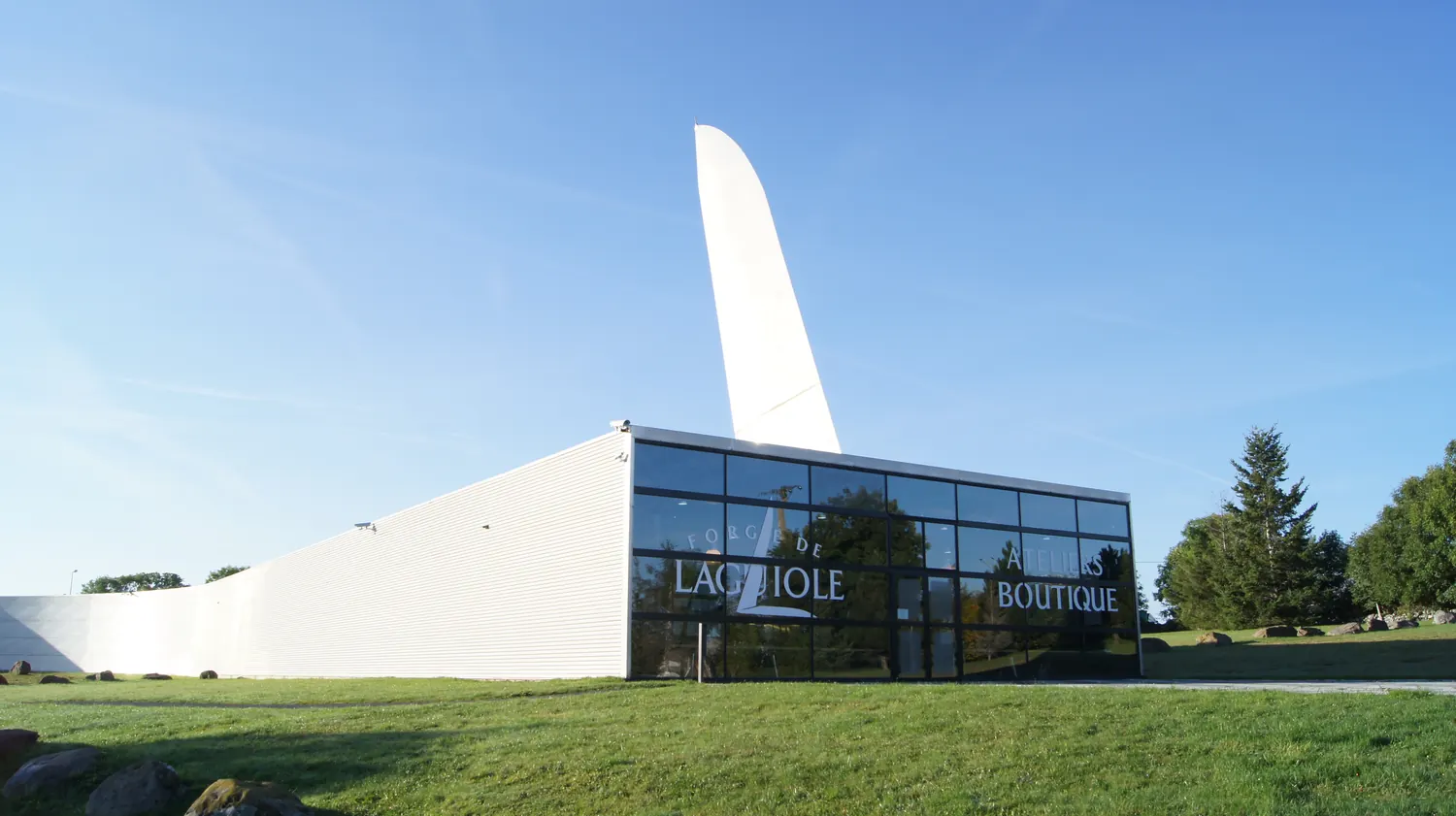
In 1987 the Forge de Laguiole stood in the village. And not in just any shed: Philippe Starck designed the building, whose roof carries an eighteen-metre blade rising into the Aubrac sky. From that day on, forging returned to Laguiole.


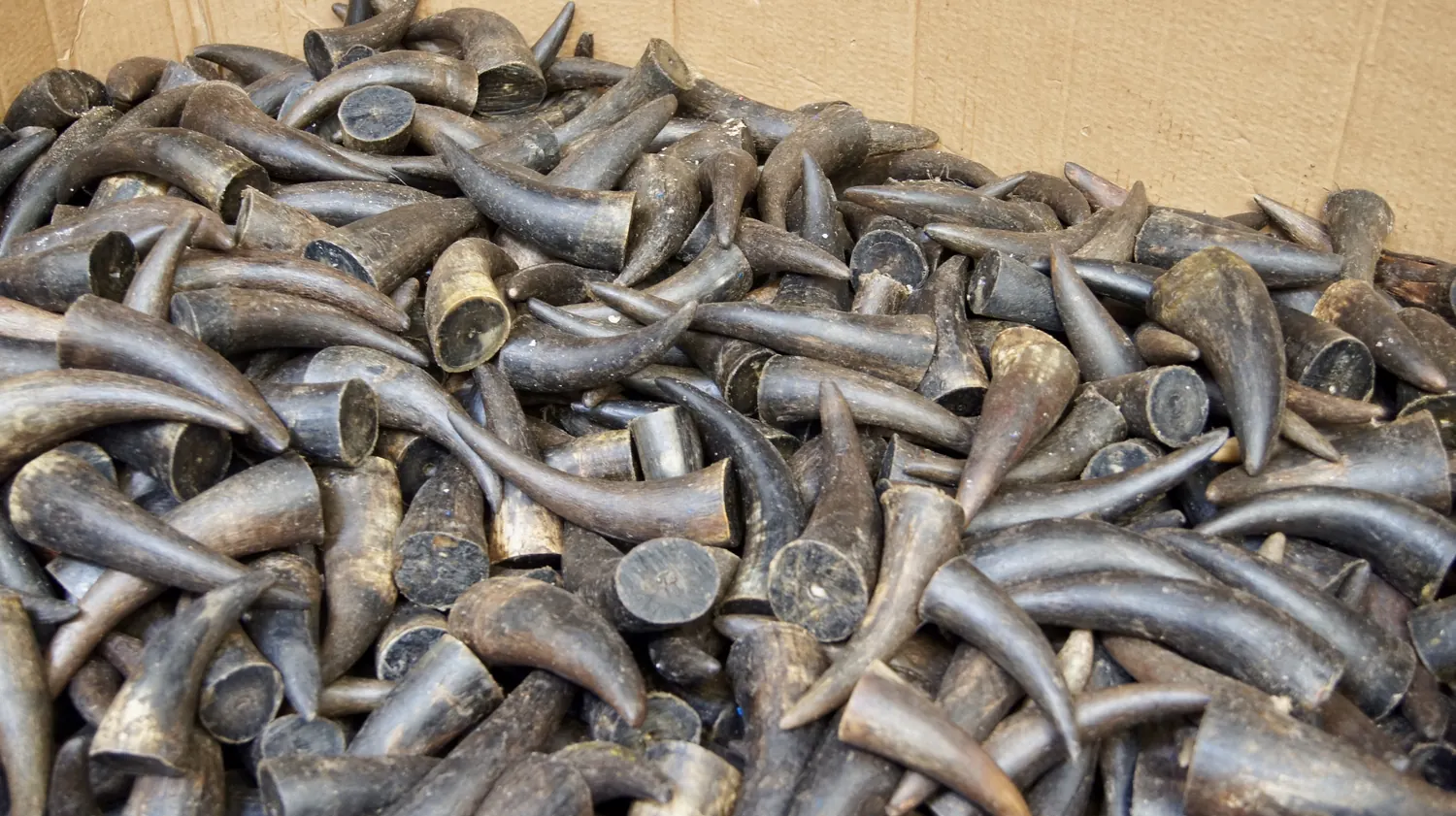
To this day everything is made on site. The steel comes from French production, as do the spring, the horn and the wood. Even the box and the label are French. That is not an advertising idea, it is a stance.


The Forge is also a school. Virgilio Muñoz Caballero, Meilleur Ouvrier de France, perfected his craft here, and Stéphane Rambaud has been building his one-off pieces here since the mid-2000s. Many of the best knifemakers in France started out in these workshops.

From this forge

Inside the workshop

15

These pictures were provided by the forge itself.
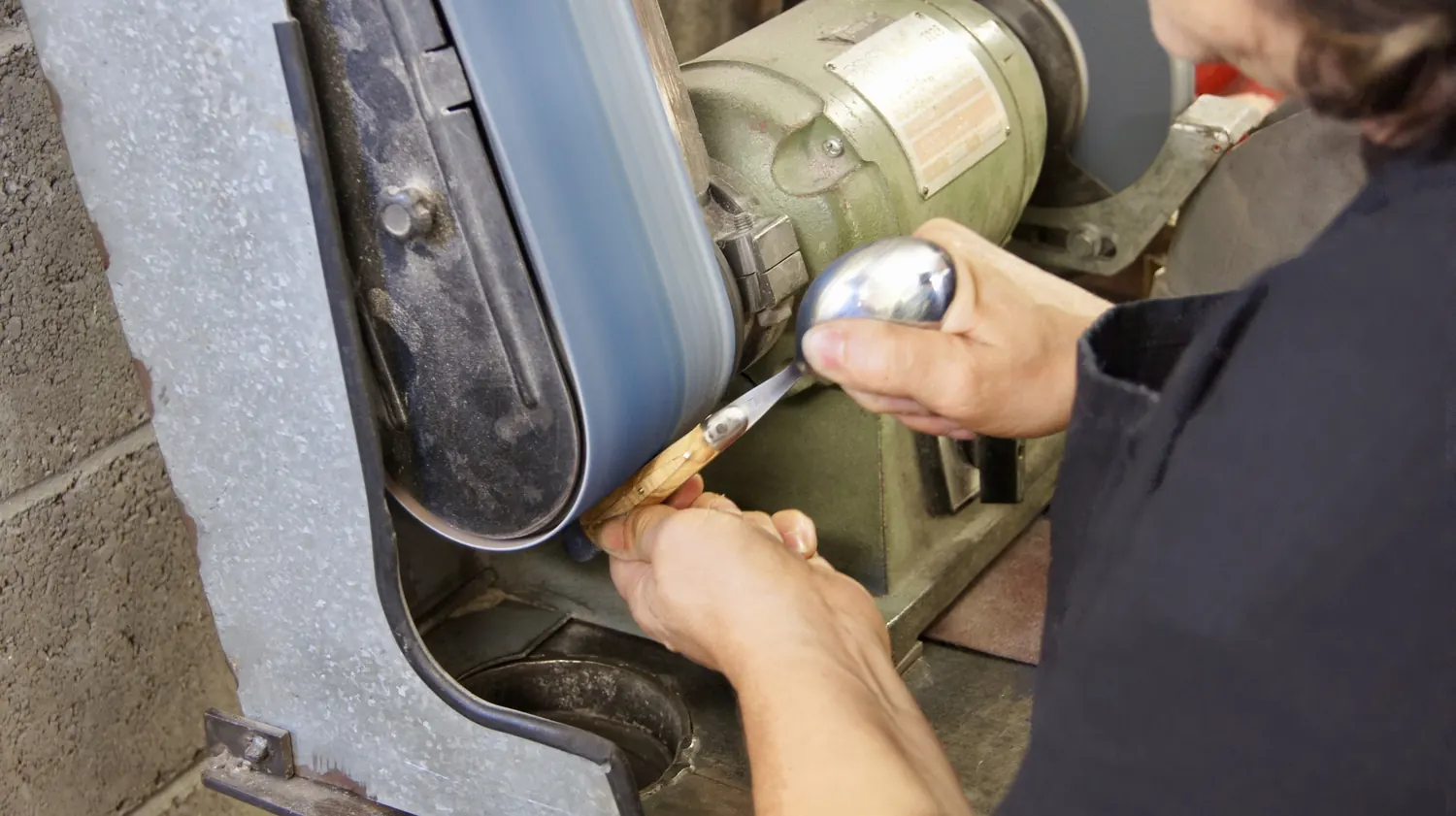
01
Photo by the forge
02
Photo by the forge
03
Photo by the forge
From this forge

New and remarkable

4

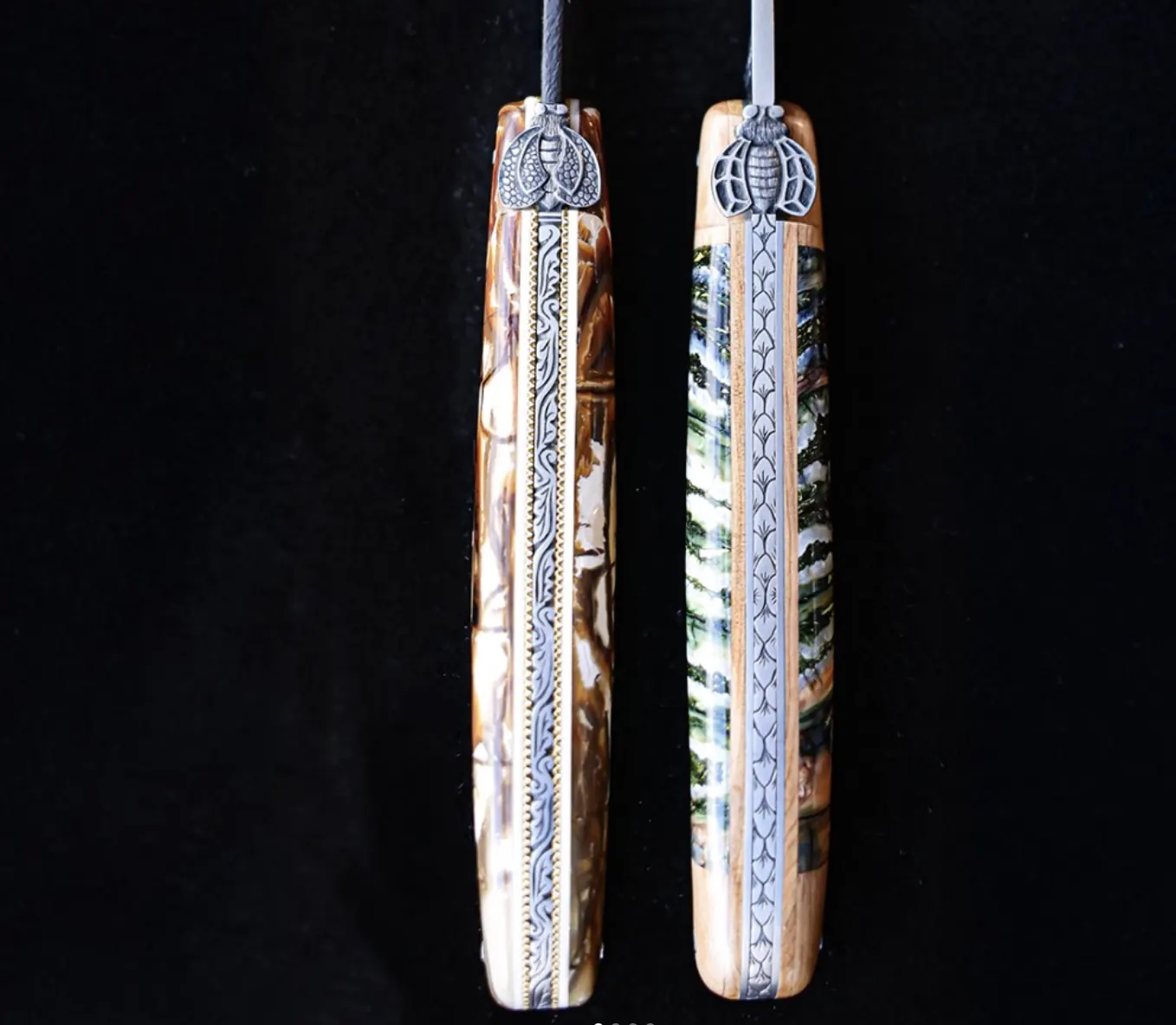
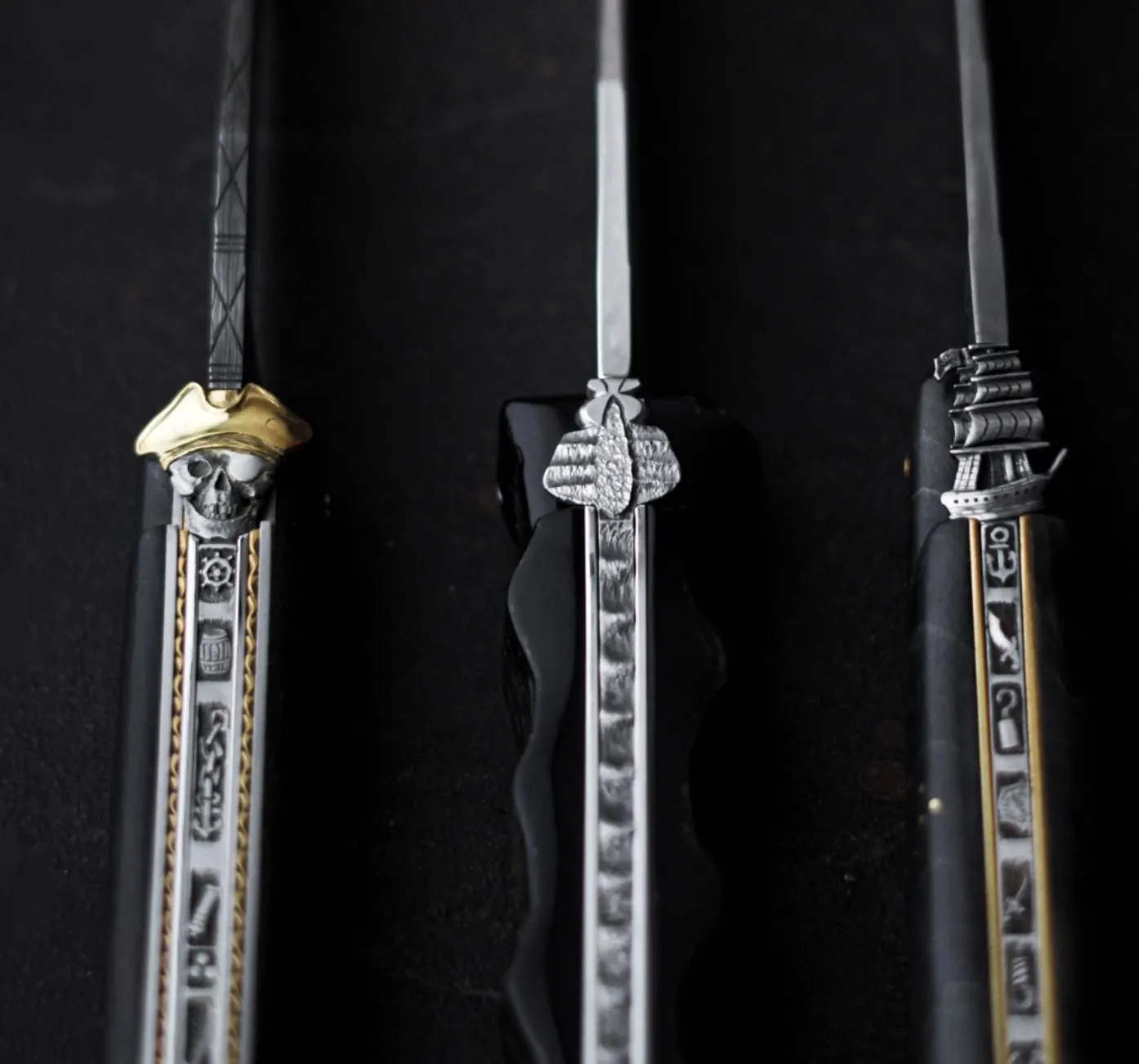
What the forge shows us: new models, special editions, arrangements from their own workshop.
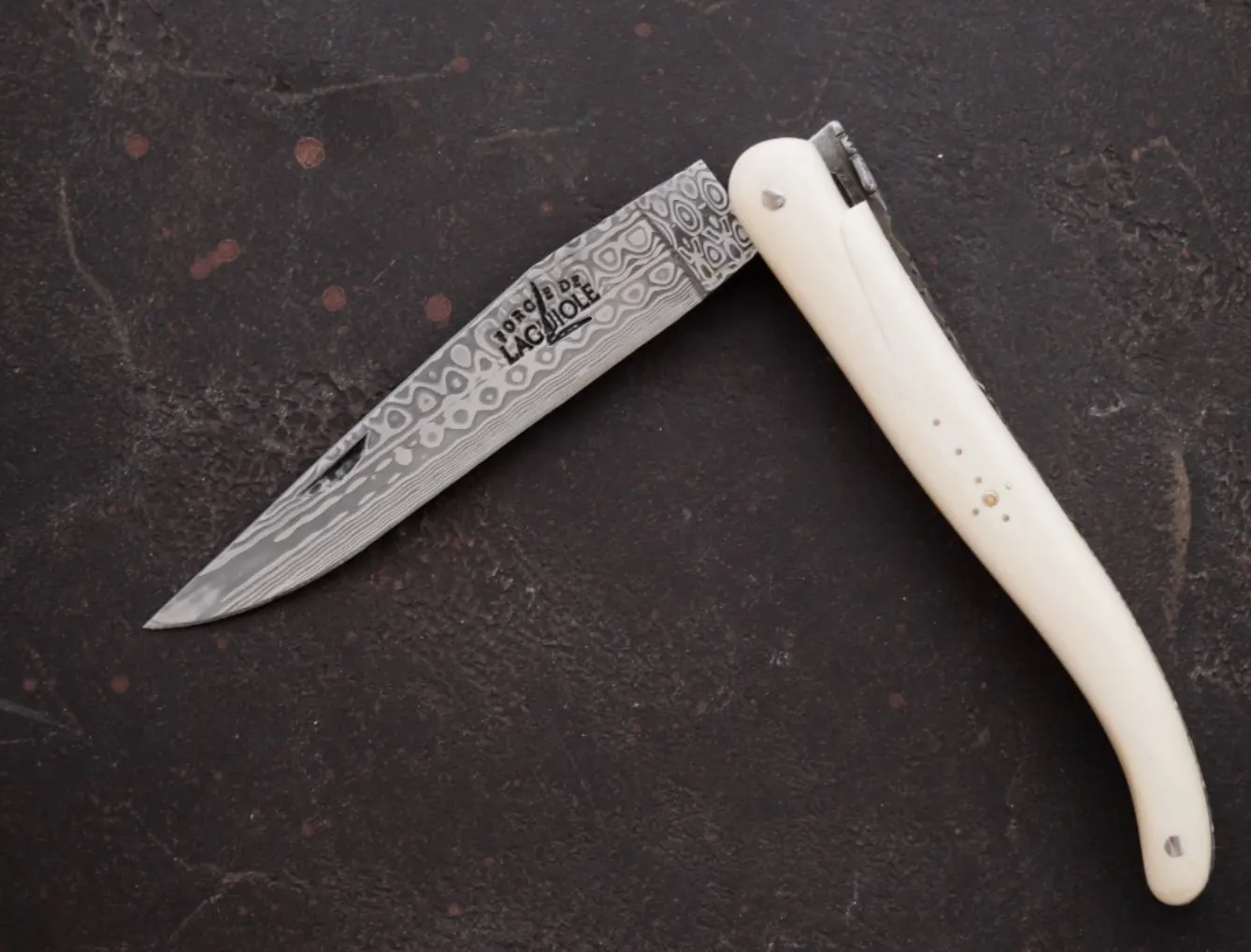
Forge de Laguiole
Forge de Laguiole
Forge de Laguiole
From this forge

Where the knives are made

Forge de Laguiole

Everything about this forge, its history and its signature is on our page about the forge.

From here on we speak

Have your Forge de Laguiole knife examined

You already own a knife from this forge? We can examine it and issue an A.I.P.C.L. certificate of authenticity - no matter where you bought it.

You own a knife by the Forge de Laguiole? Then you can have it entered into the A.I.P.C.L. We check that it is genuine, and your knife receives its own number, its own page and its certificate - a proof that stays with it, even when it changes hands.

What we look at on a knife by the Forge de Laguiole

Every forge has its signature. At the Forge de Laguiole it is the complete making in one place: the fit of blade and spring, the guillochage, the shape of the bee and the mark of the forge. That is exactly what allows a knife to be identified, and it is what we examine in your photographs. If a question remains, we go to the forge itself.

How it works

1

You register your knife. Right here on aipcl.com, with no sign-up beforehand: name the forge and upload the photographs - open and closed, the bee, the spine, the blade with the forge mark, and if available the receipt or packaging. Then you pay the examination fee; we create your customer account along the way.

2

We examine it. We compare your knife with what we know from 30 years of trading with French forges, and when in doubt we ask the forge itself.

3

You get the result. If your knife is genuine it receives its own number, its page on aipcl.com and the certificate as a PDF. If it is not, we tell you that too.

What it costs

10.00 euros

or 15 CARMOS points from original-laguiole.de - what those are is explained there.

Examining and registering one knife costs 10.00 euros.

If the examination shows that your knife does not come from a French forge, we refund the amount, of course. You pay only for a certificate you actually receive.

You order and pay here on aipcl.com, by PayPal or by bank transfer in advance. With the payment you buy the examination, not the certificate; whether we issue it depends on the result of examining your photographs.

Order the examination (10.00 euros)

Frequently asked questions

How do you know my knife really comes from Forge de Laguiole?
By comparison. We have traded with French forges for 30 years and know their work. From your photographs we compare the shape, the spring work, the guillochage, the handle material and the finish with what this forge actually makes. If a doubt remains, we go to them directly.
My knife only says “Laguiole”. Does that make it a Forge de Laguiole?
No, and this is the most common misunderstanding of all. “Laguiole” is the name of a knife shape and of a village, not a protected maker's name. It appears on knives from the Aubrac just as it does on goods from the Far East. The Forge de Laguiole, by contrast, is one particular workshop in that village. What decides where your knife comes from is the work on the knife, not the word on the blade - that is precisely what the examination is for.
What does certification cost?
Examining and registering one knife costs 10.00 euros. If it turns out that your knife does not come from a French forge, we refund the amount in full.
I inherited my Forge de Laguiole knife. Is that possible without a receipt?
Yes. Proof of purchase makes identification easier but is not a condition. For an inherited piece, good photographs and whatever you know about its origin are enough. The work on the knife says more than any invoice anyway.

This may concern you too

A certificate for your knife, wherever you bought it We check the authenticity and enter your Laguiole into the A.I.P.C.L. Laguiole bought on Amazon: is it genuine? What you can check yourself, and what we can examine for you Laguiole on eBay: buying and selling with confidence For buyers who want to know, and for sellers who want to prove it Laguiole Le Fidèle: the forge and its knives The forge introduces itself: its workshop, its signature and its knives Laguiole Fontenille Pataud: the forge and its knives The forge introduces itself: its workshop, its signature and its knives Laguiole Philippe Voissière: the forge and its knives The forge introduces itself: its workshop, its signature and its knives Laguiole Claude Dozorme: the forge and its knives The forge introduces itself: its workshop, its signature and its knives Laguiole en Aubrac: the forge and its knives The forge introduces itself: its workshop, its signature and its knives Armand Cayzac: the forge and its knives The forge introduces itself: its workshop, its signature and its knives Laguiole Honoré Durand: the forge and its knives The forge introduces itself: its workshop, its signature and its knives Coutellerie GM: the forge and its knives The forge introduces itself: its workshop, its signature and its knives Laguiole Arbalète G. David: the forge and its knives The forge introduces itself: its workshop, its signature and its knives Laguiole Goyon-Chazeau: the forge and its knives The forge introduces itself: its workshop, its signature and its knives Laguiole Chevalier: the forge and its knives The forge introduces itself: its workshop, its signature and its knives Coutellerie du Barry: the forge and its knives The forge introduces itself: its workshop, its signature and its knives Laguiole Aveyron: the forge and its knives The forge introduces itself: its workshop, its signature and its knives David Dauvillaire: the forge and its knives The forge introduces itself: its workshop, its signature and its knives Virgilio Muñoz: the forge and its knives The forge introduces itself: its workshop, its signature and its knives Jean-Michel Cayron: the forge and its knives The forge introduces itself: its workshop, its signature and its knives Ty Coutelier: the forge and its knives The forge introduces itself: its workshop, its signature and its knives Coutellerie Brun: the forge and its knives The forge introduces itself: its workshop, its signature and its knives